
Pokies Max Win Odds: Reading the Numbers Before You Spin
Most Australians chasing pokies max win odds quickly learn that advertised jackpots and real return-to-player figures live in different universes. A lobby splash page might shout a life-changing ceiling, yet the underlying maths keeps the long-term edge firmly with the operator. Anyone sitting down with a decent flat white and a clear head should treat those headline numbers as a starting point, not a promise. The trick is knowing which figures actually influence your session and which ones just look impressive on a banner while you sip your coffee.
What the advertised ceiling actually tells you

A max win figure on a pokie lobby usually describes the highest theoretical payout the game can deliver under perfect symbol alignment, often expressed as a multiple of your total bet. That number tells you nothing about how frequently the game lands its smaller features, how volatile the reel sets are, or how much of each spin gets returned over thousands of plays. A machine advertising a five-thousandfold ceiling can still drain a bankroll in twenty minutes if the hit frequency sits low and the base-game returns hover near the regulatory minimum. Reading pokies max win odds properly means separating the ceiling from the floor and checking the published return-to-player percentage alongside the volatility rating, because those two numbers shape your actual session far more than a single headline multiplier ever will. Бонусные раунды в криптоказино: как работают
How volatility and hit frequency shape your session
Volatility describes how unevenly a pokie distributes its payouts, and that distribution matters more to a typical session than the absolute top prize. A high-volatility title might hold back most of its return until a bonus round or a stacked wild line lands, which means long dry stretches punctuated by occasional sharp jumps. Lower-volatility games pay smaller amounts more regularly, which keeps a bankroll breathing longer but rarely produces the kind of spike that makes a max win headline worth reading. Hit frequency sits alongside volatility as the practical measure of how often any payout at all appears, and players who ignore that metric often mistake a quiet hour for a broken machine rather than a normal stretch of variance. When you are weighing pokies max win odds against your own play style, the sensible call is to match the volatility to the bankroll you are willing to ride through, not to the fantasy figure on the lobby card. https://royalreels-online-casino.net
| Feature | What it measures | How it affects a session |
|---|---|---|
| Max win ceiling | Highest theoretical payout multiple | Sets an upper bound, not a likely outcome |
| Return to player | Long-term theoretical payout share | Shapes expected loss rate over many spins |
| Volatility | Distribution of payout sizes | Determines dry stretches versus frequent small hits |
| Hit frequency | How often any win lands | Controls how fast a bankroll feels active or quiet |
What to weigh before you commit a bankroll
A practical decision comes down to three questions: how much variance you can stomach, what return-to-player figure the game publishes, and whether the max win only appears inside a bonus round that carries its own entry cost. If a title only reaches its headline ceiling during a free-spins feature that triggers rarely, then the effective odds of actually touching that number stay far lower than the lobby implies. Players who treat pokies max win odds as a target rather than a ceiling often overbet relative to the volatility and run into a shortfall long before the maths has any chance to settle. The steadier approach is to set a loss limit first, pick a volatility that matches the session length you actually want, and then check whether the top prize is reachable through base-game wins or locked behind a feature you might never see.
Where the numbers sit on a real lobby and how to check them
A well organised lobby makes the useful figures easy to find instead of burying them under promotional banners and animated thumbnails. The lobbies I have audited for paid search campaigns and content visibility usually put return-to-player and volatility tags on the game card or in a dedicated info panel, with the max win multiplier listed somewhere on the same screen rather than hidden behind a demo play. When I am judging a lobby for a content strategy or a WordPress landing page, I look for whether the search and filter tools let a player sort by return-to-player or volatility instead of forcing everyone through a single featured carousel. A lobby that surfaces those details cleanly saves a player from guessing, and it also signals that the operator has thought about transparency rather than just dressing up the ceiling numbers.
Two mates watching the afternoon light stretch across the table at a backyard barbie near regional New South Wales were arguing over whether a five-thousandfold max win was worth chasing on a new release. One reckoned the volatility tag said enough about the dry spells, while the other pointed out that the ceiling only appeared during a bonus round that barely triggered in the demo. They settled on checking the return-to-player figure first, then deciding whether the session length matched the spread of payouts, which is the sort of call most punters should make before feeding the machine.
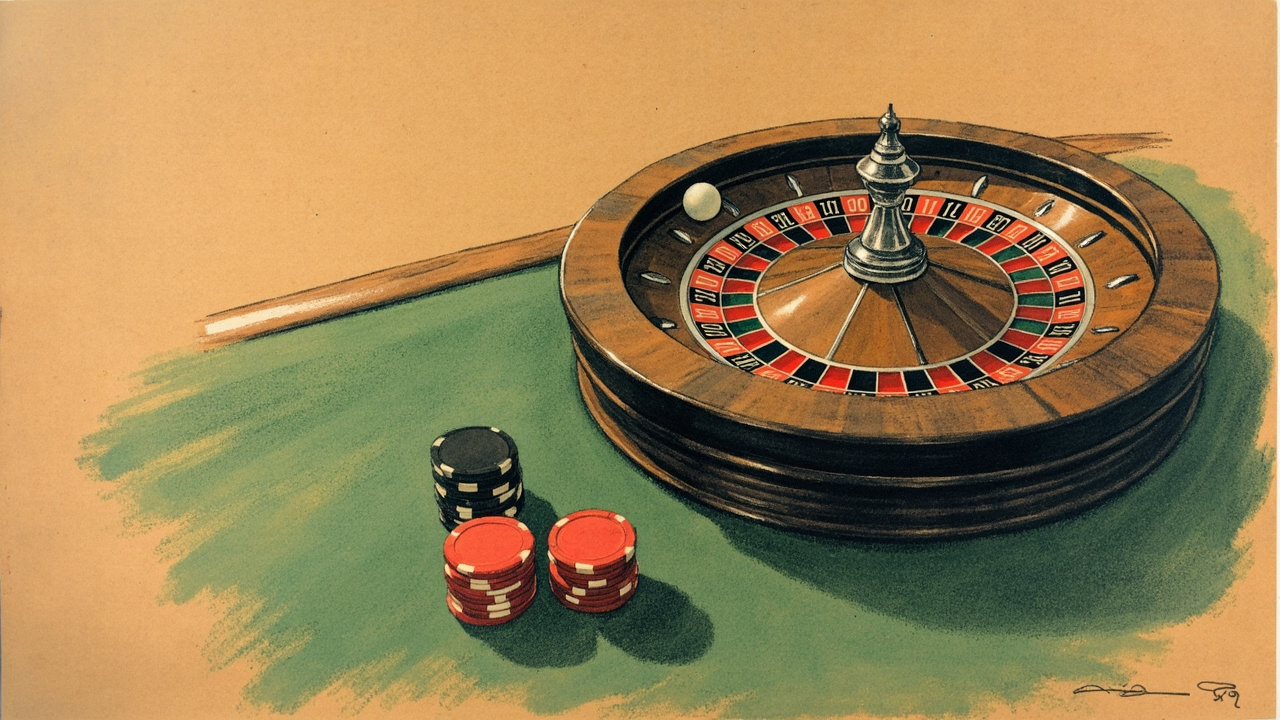
Anyone comparing pokies max win odds across a live lobby should treat the headline multiplier as a boundary, not a target, and let return-to-player and volatility do the actual decision-making. A sensible session plan starts with a bankroll limit, matches the volatility to the time you want to spend, and treats any bonus-round-only ceiling as a low-probability bonus rather than a regular expectation. The numbers on the card are useful when you read them together, and that is the only way they earn their place in a real play decision.
